Is your home losing heat through the windows? Key signs to look for
How your window coverings affect indoor temperature
Many homes lose a surprising amount of heat through their windows, especially during colder months. The window coverings you choose play a bigger role in thermal comfort than most people realise. If you have noticed that rooms feel chilly despite the heating being on, or that certain windows seem to let the cold in more than others, your blinds or curtains may not be doing enough.
Poor heat control through window coverings can lead to higher energy use, uncomfortable draughts, and rooms that are hard to keep at a steady temperature. The good news is that the signs are often easy to spot once you know what to look for. This article walks you through the main indicators that your current window coverings are not providing adequate heat control, and what you can do about it.
Condensation on the glass or fabric
One of the clearest signs that your window coverings are failing to manage heat properly is condensation. When warm indoor air meets a cold window pane, moisture forms on the glass. If you regularly see water droplets on the inside of your windows, especially in the morning, it suggests that the blinds or curtains are not creating a sufficient thermal barrier.
Condensation can also appear on the fabric of the blinds themselves. This is a strong signal that the material is cold and not insulating. Over time, damp conditions can lead to mould growth on the fabric or the window frame, which is both unsightly and potentially harmful to indoor air quality.
Thermal lining or reflective fabrics are designed to reduce this effect by reflecting heat back into the room and keeping the surface of the blind warmer. If your current coverings lack such features, condensation is a likely outcome.
Draughts felt near the window
Stand close to your window on a windy day. Do you feel a noticeable flow of cool air? Even a small gap between the blind or curtain and the window frame can allow cold air to circulate into the room. This is especially common with standard roller blinds or thin curtains that do not seal tightly against the window recess.
Draughts are a sign that the covering is not acting as an effective windbreak. In some cases, the problem lies in the fit of the blind. Off-the-shelf sizes rarely match window dimensions exactly, leaving gaps at the sides or top. A covering that fits snugly against the frame or recess can make a significant difference to how much cold air enters the room.
For windows that face prevailing winds or are exposed to open aspects, a poorly fitted blind will let heat escape rapidly. Checking for draughts is a simple test that anyone can do without tools.
Rooms feel colder near south facing windows or glass doors
South facing windows receive the most sun exposure during the day, which can be a benefit in winter. But if your window coverings do not help retain that solar heat once the sun goes down, the room can lose warmth quickly. Glass doors, such as patio doors or French windows, are particularly prone to this because of their large surface area.
If you find that a room with a south facing window or glass door feels noticeably colder than other rooms in the evening, your current blinds may not be holding onto the heat gained during the day. The problem is often that the covering is too thin or lacks a thermal layer. Reflective fabrics can help bounce heat back into the room, while a thicker material with a good thermal lining will trap warmth more effectively.
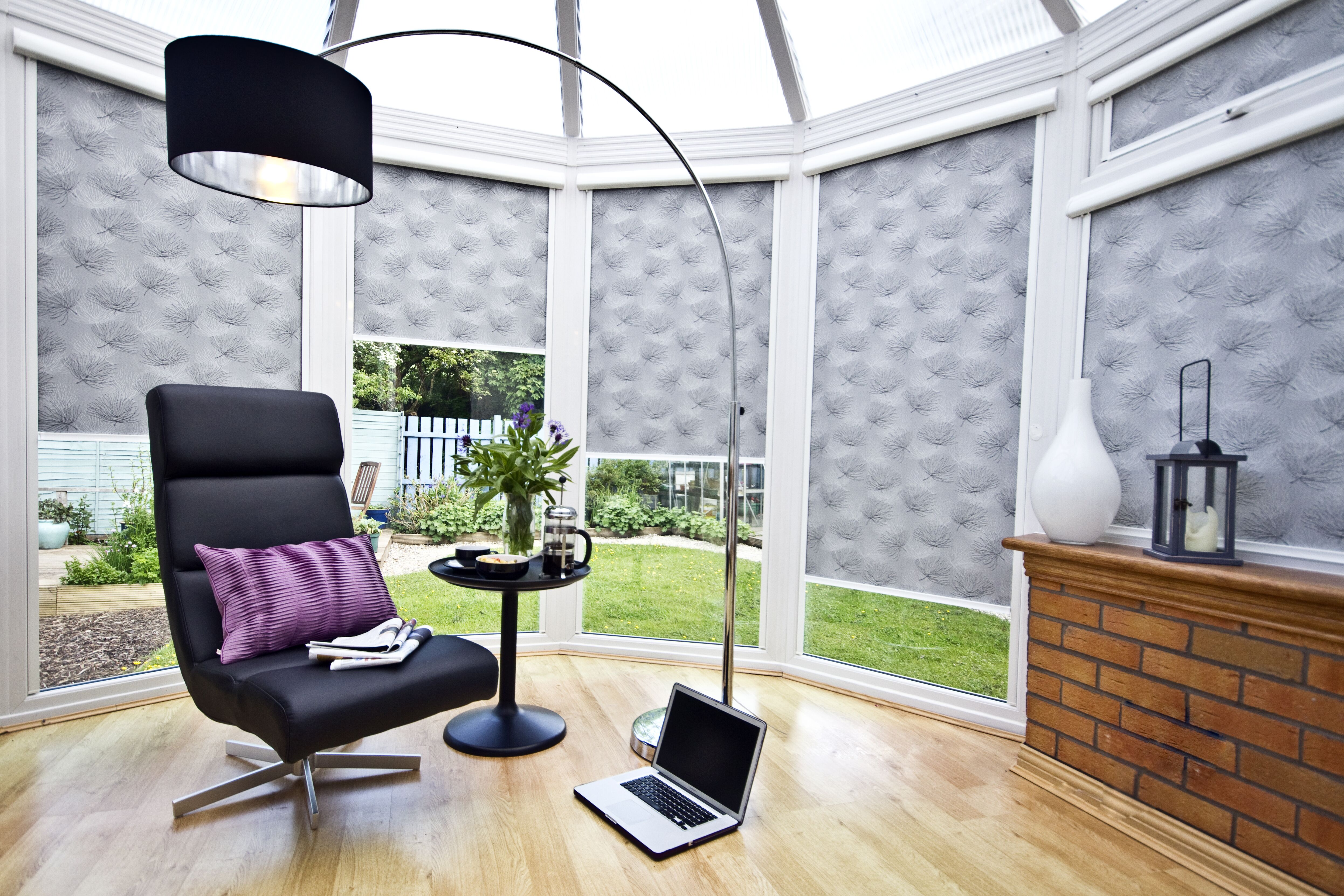
Conservatories are a common example. They can become very warm during sunny winter days but lose that heat rapidly at night if the blinds do not provide proper insulation. If you have a conservatory that feels cold as soon as the sun dips, it is a strong sign that your window coverings need upgrading.
Blinds that curl, warp or fade
Physical changes to the blind material can also indicate poor heat control. If your blinds have started to curl at the edges, warp out of shape, or fade unevenly, it often means they are being exposed to high levels of solar heat without adequate protection. This is especially true for blinds made from materials that are not designed to handle strong sunlight.
When a blind warps, it no longer sits flat against the window. Gaps form, and the insulating performance drops. Fading is a sign that the fabric is degrading, which reduces its ability to reflect or block heat. In both cases, the covering is no longer doing its job properly, and replacement is usually the most practical solution.
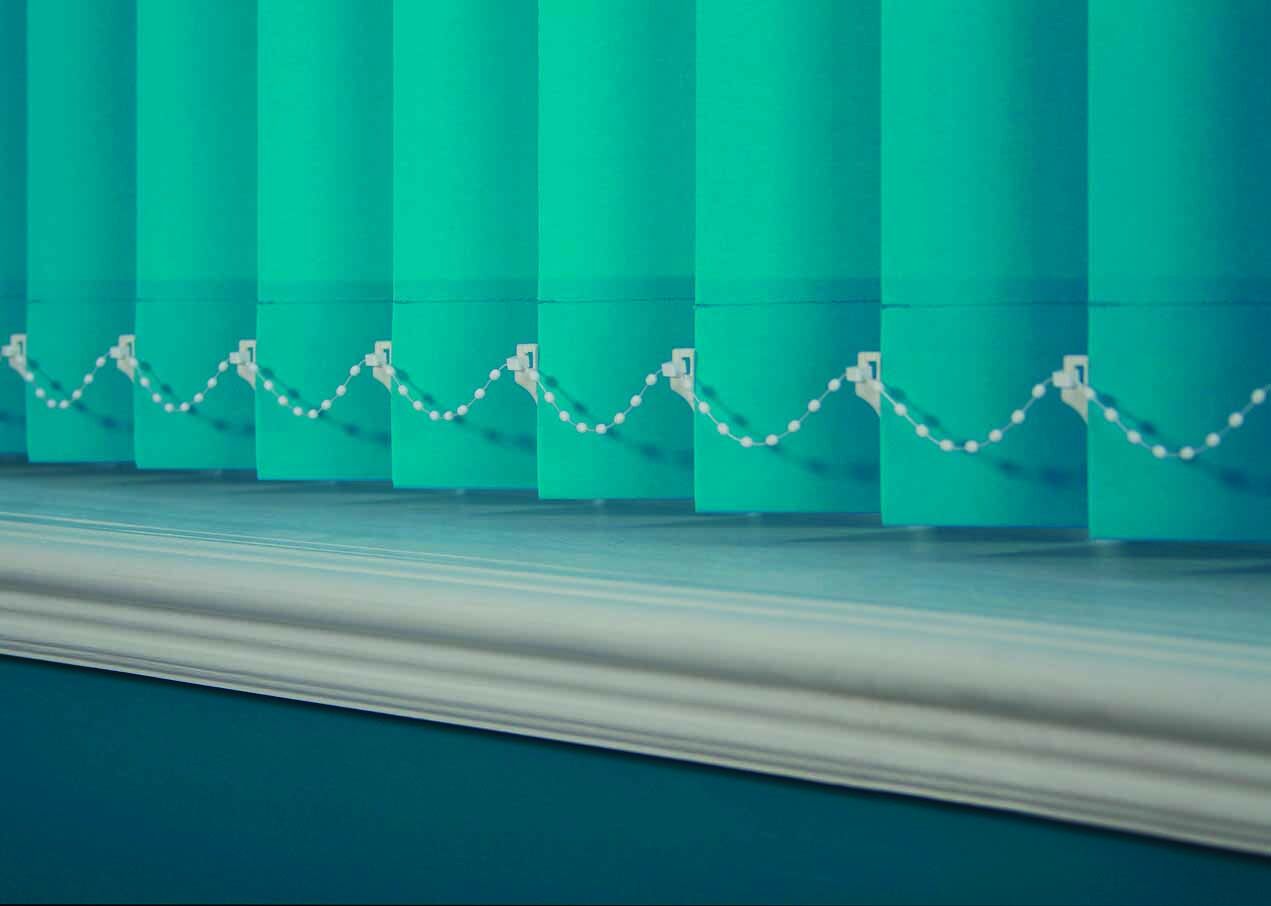
Choosing a blind with a reflective backing or a material rated for high sun exposure can prevent these issues. For rooms with intense sunlight, such as south facing spaces, the right fabric choice makes a noticeable difference to both the lifespan of the blind and the comfort of the room.
High energy bills that keep rising
While energy costs depend on many factors, a sudden or steady increase in your heating bills without a change in thermostat settings can point to heat loss through windows. If your blinds are not helping to keep warm air inside, your heating system has to work harder to maintain the same temperature.
This is not about calculating exact savings, but about noticing a trend. If you have draughts, condensation, or cold patches near windows, and your bills are climbing, it is worth questioning whether your window coverings are part of the problem. A well-chosen blind with proper insulation can reduce the load on your heating system, making the room more comfortable without needing to turn the thermostat up.
For many homes, upgrading to made to measure blinds that fit the window exactly can close the gaps that let heat escape. A precise fit, combined with a fabric that offers thermal benefits, addresses both draughts and heat loss in one step.
What to look for in a replacement
If some of these signs sound familiar, it may be time to consider different window coverings. The key factors that affect heat control are fit, fabric, and construction. A blind that is made to the exact dimensions of your window will eliminate the gaps that off-the-shelf products leave. The fabric should have a thermal lining or reflective layer if your priority is keeping heat inside during winter.
For a professional approach to fitting and fabric choice, many homeowners in the region turn to Peak Blinds - Hand Fitted Blinds - Derbyshire for their installation needs. A hand-fitted blind that is cut and mounted precisely to your window can make a noticeable difference to both comfort and energy efficiency.
It is also worth thinking about how the blind will be used. For example, a blackout lining adds a layer of insulation and also blocks light, while a reflective fabric is particularly effective on south facing windows or conservatories. Some blinds are designed to trap an air pocket between the fabric and the glass, which acts as an extra barrier to heat loss.
If you are unsure which type suits your home, a simple test is to hold your hand near the window on a cold day. If you feel a chill, your current covering is not doing enough. That is a practical starting point for deciding what to change.
Making the right choice for your home
Heat control through windows is not just about the blind itself, but how it fits and how it is used. Even the best fabric will underperform if there are gaps or if the blind is left partially open during cold periods. That said, the signs described above are reliable indicators that your current window coverings are not performing well. Condensation, draughts, cold rooms, warping, and rising energy costs all point to the same underlying issue: insufficient thermal protection.
For those who decide to upgrade, the combination of a well-chosen fabric and a precise installation is what delivers lasting results. Peak Blinds - Hand Fitted Blinds - Derbyshire offers the kind of tailored service that ensures each blind fits its window properly, avoiding the common pitfalls of standard sizes. Whether your priority is a warmer living room, a more comfortable bedroom, or a conservatory that stays usable all year, getting the fit right is the first step.
Checking for these signs takes only a few minutes, and the information can help you make a more informed decision about your next set of blinds. A small change in window coverings can have a noticeable effect on how warm your home feels, without any major renovation work.